Second Congress of the Researchers of Borders and Borderlands
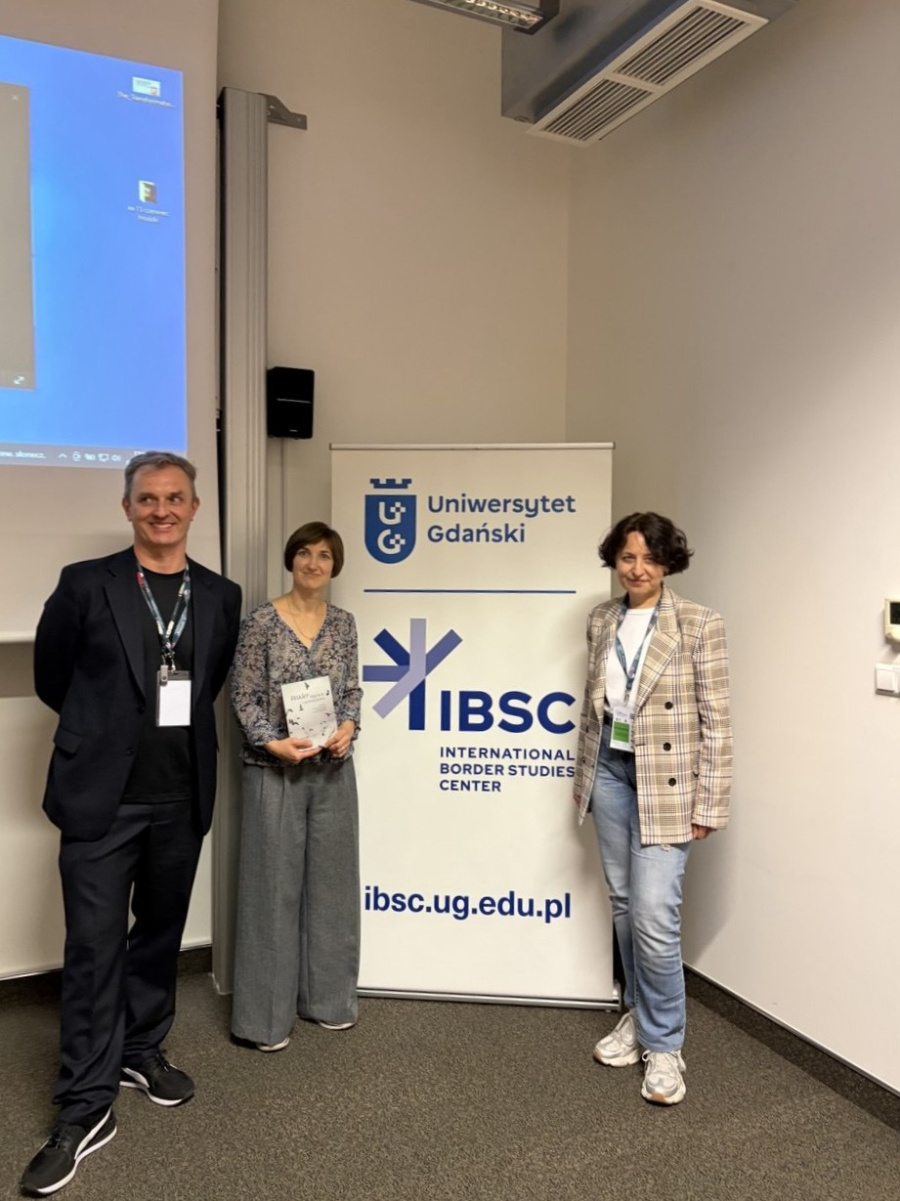
On 7–9 September 2026, Associate Professors Viktoriia Ivashchenko and Yuliia Kiselyova took part in the Second Congress of the Researchers of Borders and Borderlands, held at the University of Białystok in Poland.
The Congress brought together researchers from different disciplines and countries to discuss a wide range of issues related to borders and borderlands. The main topics included political, legal, and security changes of modern borders, processes of opening and closing borders, debordering and rebordering, and the role of borders during wars, conflicts, and migration crises. The participants also discussed the experiences of people living in border regions and how changes in border regimes influence their everyday lives. Special attention was given to historical and social memory of former borders, symbolic and imagined borderlands, and the ways in which borders are created, represented, experienced, and understood by different communities. Another important topic was the future of border and borderland studies, their practical influence on politics and society, and the ways in which borderland experiences can be represented in culture, art, and education. During the Congress, Viktoriia Ivashchenko and Yuliia Kiselyova delivered one of the keynote lectures entitled “The Production of Knowledge in Wartime: Academic Communities between Borders and Transnationality.” The lecture was based on an analysis of interviews with European scholars recorded as part of the research project “Moving West: Ukrainian Scholars in Conditions of Forced Migration (2014–2025).” They also took part in the presentation of the book *Reader. Migracje i uchodźstwo*, edited by Grzegorz Welizarowicz, Katarzyna Mirgos, and Krzysztof Ulanowski. One of the interviews from the project was published in this book.
The invitation to the Congress and participation in the publication of the Reader continued the researchers’ cooperation with the Faculty of History of the University of Gdańsk and the International Border Studies Center. These institutions supported the development of the “Moving West” project and became important spaces for discussing its results.